



Meat trays made from chemically recycled XPS

Supermarket chain Colruyt has launched the first meat trays made with recycled polystyrene derived from chemical recycling. The plastic packaging material made from yoghurt pots and foam trays collected from PMD bags is processed at Indaver’s new Plastics2Chemicals facility in Antwerp. Colruyt is using a total of around 66 tonnes per year of this recycled polystyrene in the dark grey foam trays used for its fresh meat products. The new packaging has been on store shelves since October 2025. Ludo Vanderelst, Responsible Buyer at Colruyt Group: “In 2023, Colruyt was the first chain to stop using black foam trays, so that empty packaging placed in the PMD bags could be correctly sorted and therefore recycled. Today, we’re the first to reuse recycled material from foam trays and yoghurt pots in our packaging. This means we need fewer and fewer new raw materials for our packaging, which reduces our environmental impact.”

Foam trays are made from XPS, or extruded polystyrene. This is the same plastic family as, for example, yoghurt pots made from PS or polystyrene. Although this type of packaging has been sorted and recycled from PMD bags for some time, recycled material from mechanical recycling cannot be used to make new food packaging if it comes into direct contact with food. The recycling technology at Indaver’s new Plastics2Chemicals plant in the Port of Antwerp changes this. Since October, Colruyt’s dark grey foam trays contain 10% recycled material, representing 66 tonnes of recycled XPS annually. “The trays look exactly the same and are just as safe for your meat. In addition, they can be perfectly recycled all over again via the PMD bag”, Ludo Vanderelst added.

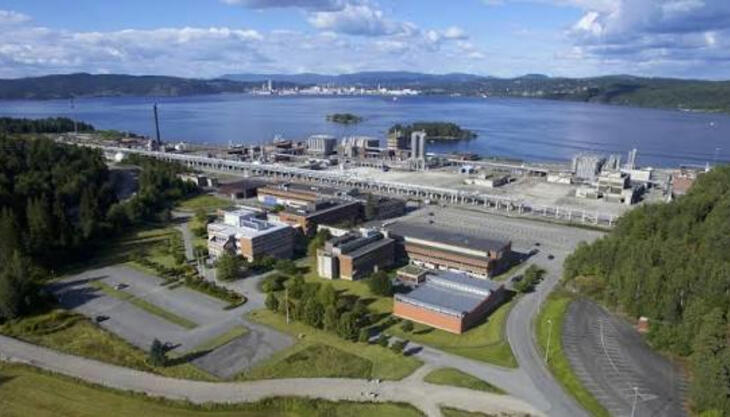
“With Plastics2Chemicals, we’re taking the next step in plastic recycling. We use advanced chemical recycling to convert polystyrene packaging into recycled styrene. This is the raw material for making new packaging and has the same properties as virgin material, meaning that the styrene is safe to use in food packaging. The factory has only really been running since the summer, which makes this collaboration extra special,” Inge Baertsoen, communications manager at Indaver, stasted.
Plastics2Chemicals has a total capacity of 26,000 tonnes. In 2025 the factory processed at industrial scale polystyrene and extruded polystyrene sorted from the PMD bag. PS packaging waste is converted into base chemicals through thermal depolymerisation and distillation (purification). The final product has a very high purity, similar to virgin material, and is therefore a high-quality alternative to fossil-fuel based raw materials. In 2026, Plastics2Chemicals will also start recycling packaging film from PMD bags, such as snack packaging and outer packaging. A total of 75 million euros has been invested in the new facility.
Most read news