



EUPC raises the alarm over the European plastics supply chain
EUPC (European Plastics Converters) has expressed concern over the energy crisis and the geopolitical tensions that are putting pressure on the European plastics supply chain. In a statement, the European association of plastics converters pointed out that the current escalation of geopolitical tensions in the Middle East, combined with the critical issues affecting one of the key strategic hubs of global energy trade, is having severe repercussions on global energy and industrial raw materials markets. The resulting increase in oil and gas prices, combined with growing volatility in commodity markets, is having immediate repercussions on the entire European polymer and plastics supply chain.
EUPC reports that plastics converting and processing companies, of which there are more than 50,000 in Europe, employing more than 1.6 million people and generating a turnover of more than 300 billion euros, are facing an emergency situation characterised by: sudden increases in the prices of plastic raw materials; instability in supply availability and rising energy and logistics costs; reduced predictability and extreme difficulties in continuous production planning.

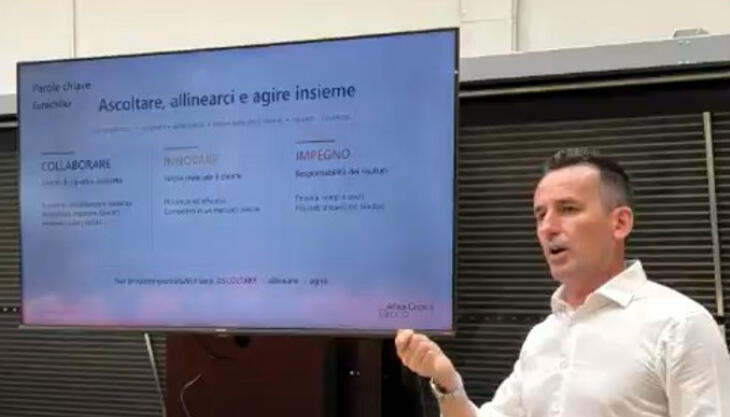
(Picture Linkedin/Benoit Hennaut)
The association stresses that, in this extraordinary scenario, the supply chain is faced with unprecedented pressure that threatens to undermine the economic viability of the plastics value chain in Europe, particularly for small and medium-sized enterprises. Making the situation even more critical is the already challenging phase the sector is going through: all stakeholders are already deeply committed to the transition to a circular economy, a particularly demanding process which will require significant industrial investments and major technological upgrading across the entire supply chain in the coming years.
“Given such extreme volatility in raw materials and energy prices, price increases will have to be passed on along the entire plastics value chain,” said EUPC President Benoit Hennaut.
The picture outlined by EUPC is far from reassuring. Companies in the supply chain are already operating with severely compressed margins and are seeing a decline in profitability, taking significant financial risks in order to secure essential materials for strategic sectors. If polymer and energy costs keep rising, European plastics converters may be forced to stop or reduce some production activities, many of which may prove essential to critical sectors such as healthcare, packaging, automotive, building and construction, and energy. Moreover, if the situation continues to deteriorate and plastics converters are left to absorb rising raw material costs on their own, there is a serious risk that some companies will be forced out of business. For this reason, the association is calling on all European policymakers and Member States to ensure that a cap is placed on energy prices in Europe, as discussed at the EU Council meeting on 19 March 2026, and to make every diplomatic effort to stop the energy war in the Middle East.
Most read news