




Plastics in Italy: an essential supply chain, but there is a need to work as a system
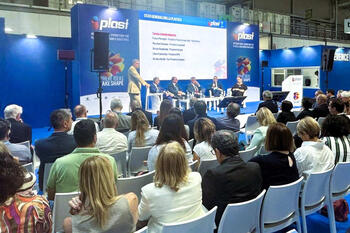
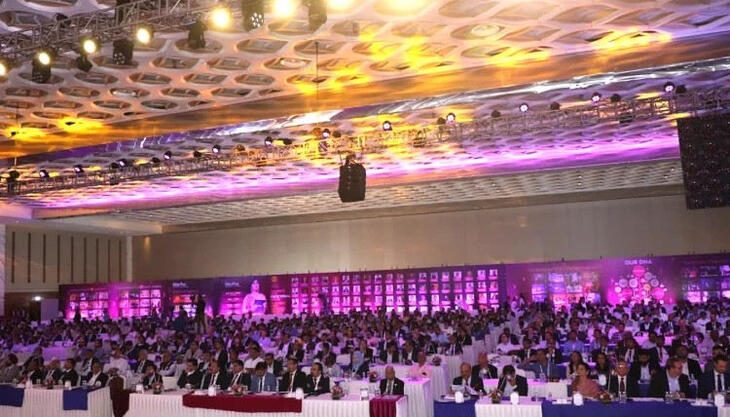
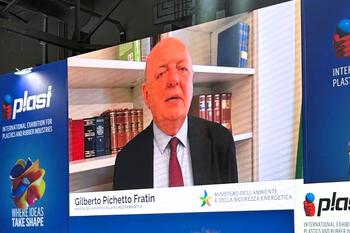
An irreplaceable pillar of Italian manufacturing and a strategic supply chain built on innovation and competitiveness, distinguished by its capacity for autonomy and for creating employment. This is the plastics industry as portrayed by the discussions that emerged at the Plastics Industry States-General, held at Plast 2026 on 10 June and opened with a video message from the Minister for the Environment and Energy Security, Gilberto Pichetto Fratin. The Minister highlighted the importance of the Italian plastics sector in terms of innovation and employment, as well as from the perspective of the circular economy. In his message, he also underlined the value of an exhibition such as Plast as a showcase for an industry that must be supported, especially at a time marked by crises on several fronts and of various kinds.
Added to this are the data emerging from the study “The plastics industry in Italy: strategy and lines of action to support competitiveness and circularity”, produced by THEA (The European House – Ambrosetti) and presented during the event. Although the plastics supply chain has to face some of the most demanding macroeconomic challenges of recent years, it remains crucial and one of the most important in Europe, second only to Germany at EU level, with turnover of 58.4 billion euros and 164,000 direct jobs.
The challenges companies have to address include intense competitive pressure from non-EU markets, unstable supply chains, high energy costs and an increasingly complex regulatory framework. Against this backdrop, several players across the supply chain are calling for a structured industrial policy capable of balancing the two sides of the same coin: economic competitiveness and environmental sustainability. The latter is no longer seen as a constraint, but as an integral part of development and innovation strategies, in which mechanical and chemical recycling play a fundamental role.
According to estimates, with investments of around 2.6 billion euros, Italy could unlock the potential to create a chemical recycling supply chain capable of treating more than 13.5% of plastic waste, which, together with mechanical recycling, would make it possible to cover 45% of demand for plastic raw materials.
The concrete actions identified by the THEA (The European House – Ambrosetti) study to harness this potential include the implementation of a national plastics strategy, regulatory recognition of mass balance, streamlined authorisation procedures for new plants, fiscal levers to encourage the use of recycled plastic, harmonised End-of-Waste criteria and instruments that reward genuine circularity. Ultimately, the States General of Plastics showed that the future of plastics in Italy requires the ability to work as a system, bringing together technology, capital and clear rules.

Most read news