



Iran crisis, tensions in the Strait of Hormuz: oil, LNG and chemical supplies at risk
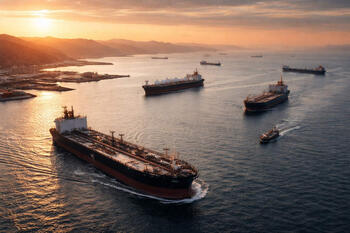
Missile strikes carried out by Israel and the United States against Iran from 28 February have triggered a cycle of retaliatory action across the Arab Gulf, fuelling fears of escalation into a wider regional conflict. With tensions centred on the Strait of Hormuz – a strategic hub and the world’s most critical energy chokepoint – global supplies of crude oil, LNG (liquefied natural gas) and chemical products are exposed to heightened risk.
Maritime traffic through the Strait of Hormuz has, in effect, come to a standstill, pushing Gulf oil and LNG exports close to paralysis. LNG tanker transits have reportedly been suspended since 28 February, disrupting around 120 billion cubic metres per year (bcm/year) of supply from Qatar and the UAE – a volume comparable to the Russian gas volumes Europe has lost since 2021. According to analysts at ICIS (Independent Commodity Intelligence Services), the crisis propelled Brent – the international crude pricing benchmark – up by more than 8% in early Asian trade on 2 March, briefly topping 82 dollars per barrel before easing back and stabilising above 78 dollars; WTI, the benchmark for North American crude pricing, was trading around 72 dollars.
Petrochemical markets have also reacted: China’s methanol futures climbed by more than 6% amid concerns over the continuity of Iranian supply. Iran is the world’s second-largest methanol producer. ICIS analysis indicates that the prospect of a protracted disruption to Iranian output, combined with the risk of a sustained closure of the Strait, is recalibrating market expectations and price-formation dynamics: Brent could move towards – or above – 100 dollars per barrel if the disruption persists, although a resumption of US-Iran talks could cap further gains.
In summary, the key elements of the current scenario are: US and Israeli strikes on Iran and ensuing retaliation, with a broader deterioration in regional stability; the Strait of Hormuz effectively closed, halting crude and LNG flows; Brent having spiked above 82 dollars/bbl and remaining elevated, with potential to approach 100 dollars/bbl should the crisis endure; disruption of roughly 120 bcm/year of LNG supply from Qatar and the UAE; a more than 6% rise in China’s methanol futures on fears over Iranian supply; and a rising risk of prolonged disruption, with knock-on effects on pricing behaviour.

Most read news