



Chemical plant closures in Europe have increased sixfold since 2022
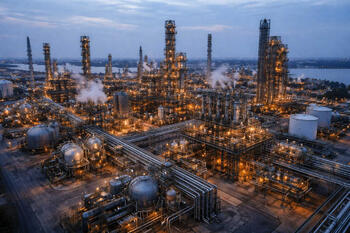
The new report “European Chemical Closures & Investments Radar 2022-2025”, commissioned by Cefic and prepared by Roland Berger, shows that chemical plant closures in Europe, surged sixfold since 2022, reaching a cumulative 37 million tonnes of capacity – or around 9% of European production capacity – and resulting in the loss of 20,000 direct jobs in the chemical industry. The report also reveals a sharp slowdown in new investments, highlighting growing concerns over the competitiveness and long-term viability of Europe’s chemical sector.
The “European Chemical Closures & Investments Radar 2022-2025” offers a structured, evidence-based view of major shifts in Europe’s chemical landscape: plant closures, capacity changes, and investment trends. Based on industry input and publicly available data, it identifies patterns, drivers and impacts on competitiveness, supply chains and regional ecosystems.
“The sector is under severe stress and breaking. The rate of closures has doubled in a year, and even worse, annual investments are half and close to zero. On both sides, the speed is accelerating, not slowing. We need decisive action this year, with impact at factory floor level,” Marco Mensink, Cefic’s Director General said.
The report underlines the human and economic impact of the ongoing wave of closures. In addition to the 20,000 direct job losses, an estimated 89,000 indirect jobs are at risk across Europe, reflecting the chemical industry’s central role in regional value chains.
At the same time, new investment has slowed dramatically. Annual announced investment capacity fell from 2.7 million tonnes in 2022 to just 0.3 million tonnes in 2025, amounting to approximately 7 million tonnes in total over 2022-2025. This drop reflects a shift from broad investment across multiple innovation pathways – like electrification, hydrogen feedstocks, and circular plastics – to barely one pilot initiative.
With closures now significantly outpacing new investments, the European chemical industry is contracting. This trend points to deepening uncertainty for the sector and raises serious questions about Europe’s ability to maintain a competitive, resilient industrial base.
Most read news