




Intelligent conveying system: it learns and never forgets
Most conveying systems for polymer materials are designed on the basis of the highest rated power levels and production requirements. In approximately 80% of cases, the system size is defined by taking into account the most critical material to be conveyed and the worst operating conditions. In practice, however, the actual capacity of the system is used only to around 45%, with the resulting loss of performance and waste of energy. A further limitation of this approach lies in the stress imposed on the material: the application of excessively high actual power levels generates excessive conveying speeds, encouraging the formation of “angel hair” and increasing aesthetic defects in moulded parts, with the consequent non-conformity of those parts.
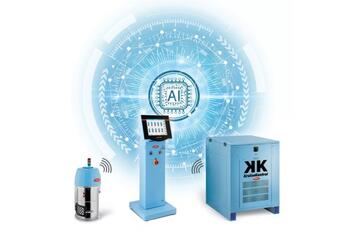
In response to all these limitations and requirements to be taken into consideration, Moretto has developed – and presented at Plast 2026 – the intelligent Loadmatik co-pilot, which integrates a range of technologies. The One Wíre 6 Plus management and control server uses machine learning models integrated with artificial intelligence to optimise every stage of the production process; the KruiseKontrol dynamic speed control system actively manages operating pressures, adapting the speed of the conveyed material to actual requirements; and the innovative X-Loader receiver, developed for new-generation conveying systems, is capable of providing active assistance by recognising and changing system parameters in real time, with integrated “Sentry+” technology.
Loadmatik technology can be applied to all existing conveying systems, maximising system performance by managing all variables intelligently and autonomously and optimising consumption according to actual production requirements; energy use is calibrated to real production needs, reducing waste. Its benefits also include ease of configuration, as programming requires only two parameters: material type and destination machine. Thanks to intelligent sensors and AI, the system automatically identifies the optimum operating conditions, handling the material in a “gentle” and stress-free manner. Full integration with MES, for companies equipped with such systems, makes communication with Loadmatik completely autonomous and therefore enables the plant to be managed in a fully automatic way. All this means that the system can also be managed by operators who are not specialised or do not have the experience required to configure and manage a centralised conveying system.
Most read news